
OEM parts salvage, a key aspect of auto parts recycling, recovers and reconditions original equipment manufacturer (OEM) components from junked vehicles, reducing waste, conserving resources, and lowering environmental impact. California's streamlined salvage registration offers both challenges and opportunities for responsible recycling. This process diverts millions of tons of landfill waste annually and significantly cuts carbon emissions compared to new manufacturing. Consumers benefit from cost savings on high-quality, affordable parts, while businesses like Quick Auto Tags contribute to these environmental benefits through efficient title management. OEM parts salvage promotes a circular economy within the automotive sector, enhancing sustainability and market resilience.
In today’s automotive landscape, responsible and efficient management of auto parts has become a pressing issue. With an ever-growing demand for new vehicles and limited resources, the recycling and reuse of parts, particularly Original Equipment Manufacturer (OEM) components, is more crucial than ever. This expert guide delves into the intricate world of auto parts recycling, offering valuable insights on how to navigate this complex process effectively. By understanding the challenges and implementing strategic solutions, we can ensure a sustainable future for both automotive industries and the environment, naturally highlighting OEM parts salvage as a key strategy.
- Understanding Auto Parts Recycling: The Basics
- Navigating OEM Parts Salvage: Expert Tips
- Identifying Valuable Components for Reuse
- Best Practices for Responsible Recycling
Understanding Auto Parts Recycling: The Basics
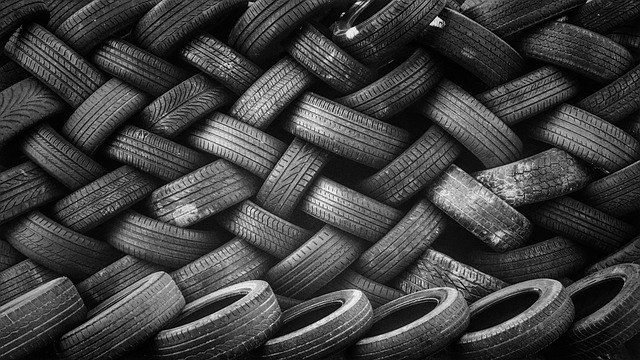
Auto parts recycling is a complex yet essential process that involves the reuse or repurposing of components from end-of-life vehicles. This practice plays a crucial role in reducing automotive waste, conserving natural resources, and lowering environmental impact. At its core, OEM parts salvage focuses on recovering original equipment manufacturer (OEM) parts directly from scrap cars, which are then inspected, refurbished, and redistributed, often at lower costs compared to new or remanufactured parts. This method not only benefits the environment but also offers economic advantages for both consumers and industries.
In California, the streamlining of registration for salvage vehicles has become a key area of focus. The state’s unique regulations regarding salvage-titled vehicles present specific challenges and opportunities. A salvage-titled vehicle, lacking a valid title, requires careful navigation to ensure legal compliance. This process involves meticulous documentation, including detailed records of parts removal and remanufacturing procedures. For instance, Riverside salvage vehicle services like Quick Auto Tags offer expertise in navigating these complexities, ensuring that all legal requirements are met while facilitating the efficient registration of salvaged vehicles.
The benefits of proper OEM parts salvage extend far beyond environmental conservation. Data suggests that recycling automotive parts can significantly reduce energy consumption and greenhouse gas emissions. For example, reusing a single steel car body can save enough energy to power an average American home for up to six months. Furthermore, consumers benefit from cost savings when purchasing salvaged OEM parts, which are often more affordable than new or aftermarket alternatives while maintaining superior quality standards. This approach encourages a circular economy within the automotive sector, fostering sustainability and resilience in a dynamic market.
Navigating OEM Parts Salvage: Expert Tips

Navigating OEM Parts Salvage: Expert Tips for Responsible Auto Recycling
OEM parts salvage is a critical aspect of responsible automotive recycling, especially when dealing with significantly damaged or declared salvage vehicles. These vehicles, often deemed a total loss after accidents or deemed unsuitable for roadworthiness due to extensive damage, can be a valuable resource for both auto repair professionals and environmentally conscious consumers. The process involves carefully extracting original equipment manufacturer (OEM) parts from these junked or salvaged vehicles, ensuring they are still in good working condition and can be reused. This practice significantly reduces the demand for new parts production, cutting down on manufacturing costs, energy consumption, and environmental impact.
Experts emphasize the importance of proper identification and grading of OEM parts to ensure their quality and suitability for reuse. In many cases, vehicles declared salvage are resold as “junked” or “salvaged,” offering an opportunity for responsible buyers to reclaim valuable components while facilitating the recycling process. For instance, a vehicle with cosmetic damage but entirely functional drivetrain components can be a prime candidate for OEM parts salvage, providing cost-effective upgrades for consumers and streamlining the recycling process. According to industry data, properly recycled parts from salvaged vehicles can save up to 50% compared to brand new ones, making it an economically viable and eco-friendly option.
When navigating OEM parts salvage, professionals like those at Quick Auto Tags recommend a systematic approach. Begin by assessing the vehicle’s condition and identifying parts that meet industry standards for reuse. Next, employ specialized tools and techniques for safe extraction, ensuring minimal damage to surrounding components. Proper documentation is crucial; recording detailed information about each part’s origin, condition, and intended use facilitates transparency and quality control. For example, a well-documented record of a part’s history can prevent its resale as a new or remanufactured item, protecting both consumers and the integrity of the recycling process.
Re-registering a junk vehicle with Quick Auto Tags is a key step in this process, providing legal recognition for recycled parts while ensuring compliance with environmental regulations. This straightforward administrative procedure allows for the seamless integration of salvaged components into the secondary market, promoting a circular economy where auto parts are reused and recycled efficiently. By adopting these expert tips on OEM parts salvage, we can contribute to a more sustainable automotive industry, reducing waste and conserving valuable resources.
Identifying Valuable Components for Reuse

Identifying Valuable Components for Reuse is a critical step in the auto parts recycling process. When properly executed, this stage can significantly enhance the overall value of end-of-life vehicles and contribute to a more sustainable automotive ecosystem. The first step involves assessing each vehicle component’s condition and market demand. For instance, Original Equipment Manufacturer (OEM) parts salvage has become a natural and preferred method due to its ability to provide high-quality, genuine components that meet original specifications.
Many vehicle parts, such as engines, transmissions, and even body panels, can be thoroughly inspected and refurbished for reuse. A licensed tag and title agency plays a crucial role in ensuring these components change hands legally. This is especially important when dealing with vehicles that lack a valid title, making it easier to get your salvage vehicle back on the road with minimal hassle, often within 1-3 business days through services like Quick Auto Tags, which offer swift DMV processing.
By focusing on identifying and salvaging OEM parts, recyclers can tap into a market where demand for genuine parts is high. For example, a recent study showed that up to 70% of consumers prefer to buy used but certified OEM parts due to their reliability and warranty coverage. This trend underscores the importance of proper component identification and grading in recycling programs. Using Quick Auto Tags for efficient title management ensures that these valuable components can be promptly sourced, recycled, and resold while adhering to legal requirements.
Best Practices for Responsible Recycling
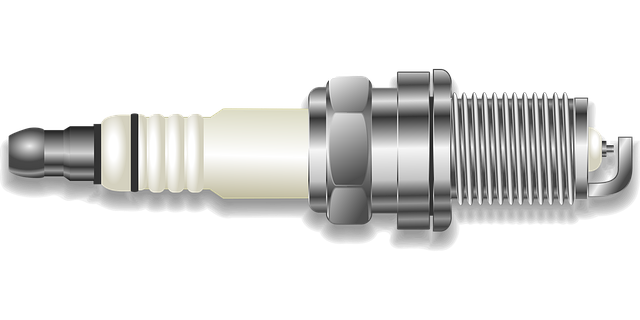
Auto parts recycling is a complex yet crucial process for maintaining sustainability in the automotive industry. Among various methods, OEM parts salvage offers a responsible solution by repurposing original equipment manufacturer (OEM) components from salvaged or junked vehicles. This practice significantly reduces the demand for new manufacturing, lowering environmental impact and resource depletion. When executed properly, OEM parts salvage can provide high-quality, cost-effective replacements, contributing to a circular economy.
Best practices in OEM parts salvage start with proper vehicle classification. Not all junked cars are equal; those with valuable, intact OEM parts are ideal for salvage. Expert mechanics or specialized recycling facilities assess the condition of vehicles, identifying parts that can be reconditioned and remanufactured. This meticulous process ensures only suitable components enter the recycling stream, minimizing contamination. For instance, a vehicle’s engine, transmission, or suspension systems may be salvaged and refurbished to meet quality standards, extending their lifespan in new applications.
Data supports the positive environmental impact of responsible recycling practices. According to industry reports, recycling automotive parts diverts millions of tons of waste from landfills annually. By utilizing salvaged OEM parts, consumers and businesses can reduce carbon emissions associated with new manufacturing by up to 70%. Additionally, proper part salvage reduces the need for extracting raw materials, preserving natural resources. As such, it’s not just about cost savings; it’s a strategic approach to sustainability. For instance, Quick Auto Tags offers a streamlined solution to salvaging and re-registering vehicles with salvage titles, simplifying the process for businesses looking to contribute to these environmental benefits.
By mastering auto parts recycling, including strategic OEM parts salvage, individuals and businesses can significantly reduce automotive waste, conserve valuable resources, and contribute to a more sustainable future. Key takeaways include understanding the basics of auto parts recycling, recognizing the value in original equipment manufacturer (OEM) parts for reuse or refurbishment, and adopting best practices for responsible recycling methods.
Implementing these strategies allows for efficient navigation through the process, ensuring that reusable components are properly identified and recovered. This approach not only offers economic benefits by extending the lifespan of materials but also reduces environmental impact.
Moving forward, embracing expert guidance on auto parts recycling empowers stakeholders to make informed decisions, foster a circular economy, and ultimately, create a more sustainable automotive industry.